
Bathrooms That Handle Moisture Without Failing
Bathroom Remodeling in Asheville for homes with outdated fixtures, inadequate storage, or moisture-damaged surfaces
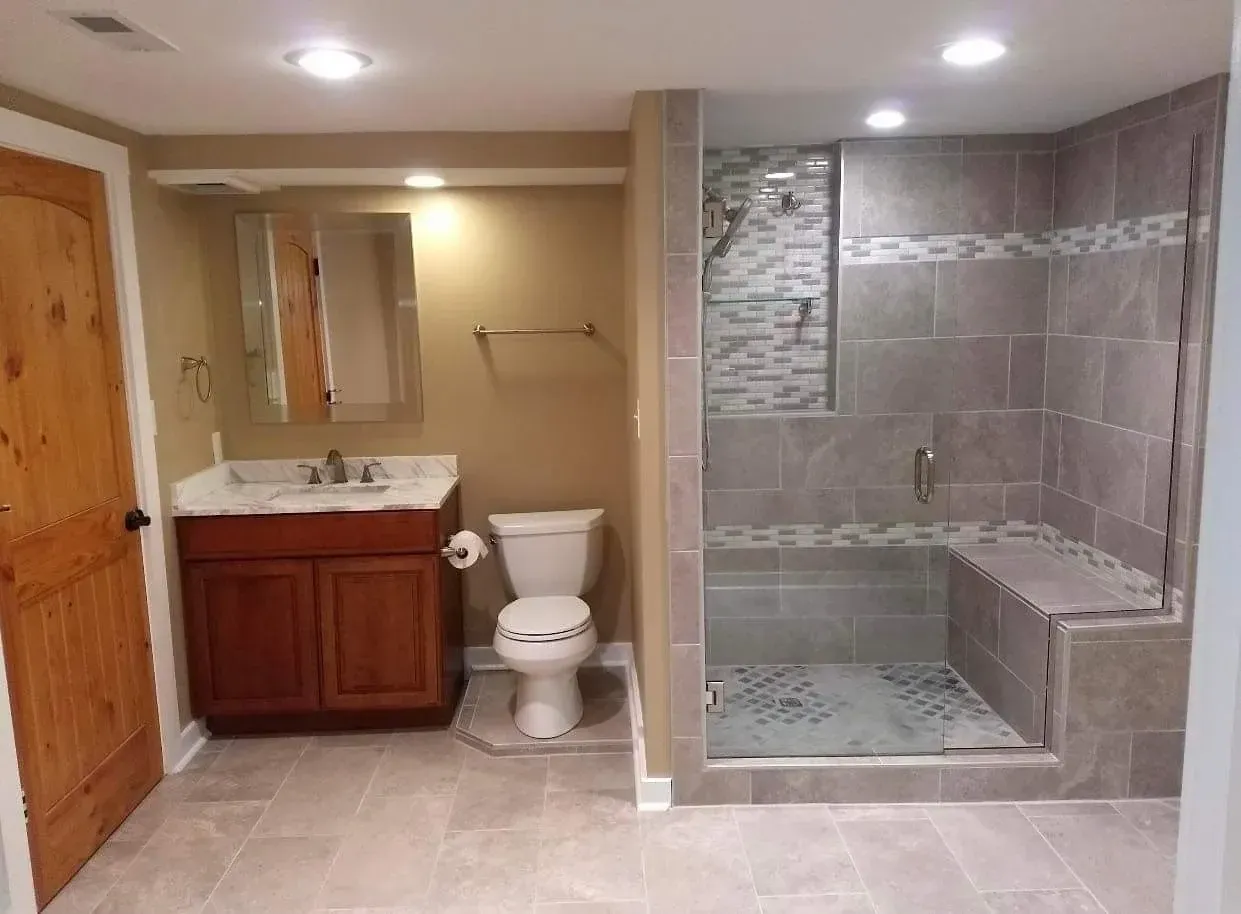
Bathroom surfaces fail when tile grout cracks from flexing substrates, when vanity cabinets warp from inadequate ventilation, or when shower walls develop mold because improper waterproofing allowed moisture penetration behind finish materials. Building Carolinas Construction & Remodeling provides bathroom remodeling throughout Asheville, Fletcher, Brevard and surrounding areas that address these problems through tile shower installation, vanity upgrades, flooring replacement, fixture improvements, storage enhancements, and layout modifications. Proper remodeling installs moisture-resistant materials over correctly prepared substrates so that water stays on surface planes rather than migrating into wall cavities or subfloor layers.
The remodeling process involves removing damaged or outdated materials, addressing underlying moisture issues or structural concerns, installing waterproof membranes and backer boards in wet areas, setting tile with appropriate thinset and grout, and completing fixture and finish installation. In Western North Carolina homes, this frequently includes improving ventilation systems and correcting drainage slopes that weren't adequate in original construction.
Schedule a bathroom remodeling consultation to assess your current moisture concerns and discuss layout improvements.
What Changes After Proper Bathroom Remodeling
Bathroom remodeling done correctly installs cement backer board or waterproof substrate panels before tile setting begins, applies waterproofing membranes to seams and penetrations in shower areas, and uses epoxy or urethane grout in wet zones where standard cement grout would absorb moisture and stain over time. Ventilation fan sizing accounts for actual bathroom cubic footage rather than using undersized units that fail to remove humidity effectively. Vanity cabinets are constructed from moisture-resistant materials or sealed wood rather than particleboard that swells when exposed to repeated humidity cycles.
Once remodeling finishes, you notice that shower doors close properly and stay clean because they were installed plumb and square, that tile surfaces remain intact without cracking because substrates were reinforced to eliminate flex, and that mirrors don't fog excessively because improved ventilation actually exchanges air rather than recirculating it. Storage functions efficiently because vanity and cabinet layouts were planned around actual toiletry and towel storage needs rather than standard configurations.
Bathroom remodeling includes fixture removal and replacement, tile installation for showers and floors, vanity and cabinet work, plumbing updates, lighting improvements, and ventilation upgrades. The service does not include structural modifications that require load-bearing wall removal or addition of square footage, though contractors identify when layout goals require those changes and coordinate engineering when structural work becomes part of the project scope.
Answers to Frequent Service Questions
Bathroom remodeling projects address moisture management, fixture functionality, and storage improvements while working within the constraints of existing plumbing locations and room dimensions common to residential properties.
What preparation prevents tile showers from leaking or cracking?
Substrates must be reinforced so that deflection under load stays below tile industry thresholds, waterproof membranes must extend beyond wet areas to account for splash zones, and thinset coverage must reach minimum percentages to prevent voids where water can penetrate behind tiles.
How do vanity upgrades improve bathroom function?
Updated vanities provide drawer storage that organizes small items better than single-shelf cabinets, countertop materials resist water damage and staining better than cultured marble or laminate, and undermount sinks eliminate the rim where debris and mildew collect around drop-in basin edges.
Why does ventilation matter more in remodeled bathrooms?
Improved insulation and air sealing in updated homes reduce natural air exchange, causing bathroom humidity to linger longer unless mechanical ventilation actively removes moist air, which prevents conditions where mold grows on ceilings, paint peels, or wood trim warps from sustained moisture exposure.
What flooring options work best in bathrooms throughout Asheville?
Porcelain tile offers complete water resistance and durability but feels cold underfoot without radiant heating, luxury vinyl provides warmth and cushioning while resisting moisture and scratching, and natural stone creates high-end appearance but requires sealing to prevent staining from personal care products.
How long do bathroom remodeling projects typically take?
Full bathroom remodels usually require one to two weeks depending on tile area and fixture complexity, with demolition and rough plumbing occurring first, followed by substrate and waterproofing work, then tile installation and grouting, and finally fixture and trim completion once all surfaces are set and cured.
Building Carolinas Construction & Remodeling completes bathroom remodeling projects that prioritize moisture resistance, functional storage, and durable finishes suited to daily residential use. Contact our team to review your bathroom's current condition and outline remodeling options that match your priorities.