
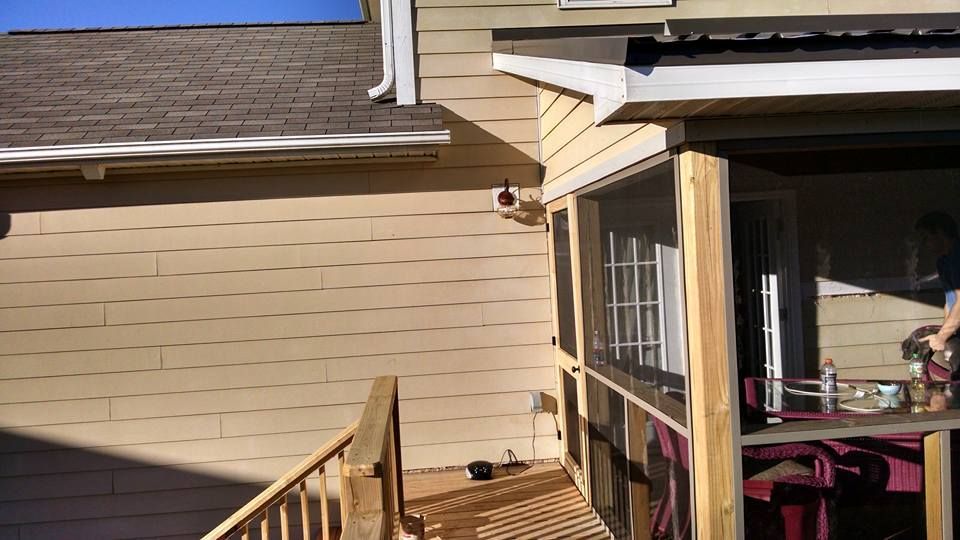
Exteriors That Hold Up to Mountain Weather
Siding Installation in Asheville for homes facing moisture damage, seasonal wear, or outdated exterior materials
Asheville and Western North Carolina's elevation and seasonal weather patterns create conditions where siding must handle freeze-thaw cycles, heavy rainfall, and humidity that accelerates rot in wood and compromises paint adhesion. Building Carolinas Construction & Remodeling replaces siding on homes where water intrusion, splitting boards, or failing paint indicate the exterior envelope no longer protects sheathing and framing. Material selection depends on exposure level, maintenance preferences, and how well the siding sheds water on walls that don't receive direct sunlight for drying.
Siding replacement involves removing deteriorated material, inspecting sheathing for water damage, installing weather-resistant barriers, and fastening new siding with proper overlap and flashing details at windows, doors, and roof intersections. Moisture management requires attention to how water exits from behind the siding plane, particularly on north-facing walls where drying times extend. Material options include fiber cement, engineered wood, and vinyl selected for durability in climates where temperature swings and precipitation levels vary throughout the year.
Request an exterior evaluation to identify damaged sheathing and assess current siding condition.
How Siding Replacement Addresses Weather Exposure
Siding work starts with removing the existing material to expose the sheathing layer where water damage, rot, or insulation gaps often show up once the exterior is off. Flashing installation at all penetrations and transitions prevents water from entering wall cavities, while drainage planes behind the siding allow any moisture that does get past the surface to exit at the bottom of the wall. Fastener placement and spacing follow manufacturer specifications to allow for thermal expansion without buckling or pulling loose during temperature changes.
After installation, you'll see consistent reveal lines across the wall surface, tight seals around windows and doors, and corners that interlock without gaps where insects or water could enter. Paint or factory finishes remain intact without the peeling or blistering that indicates moisture trapped behind the siding. During rain events, water runs off the surface and exits through designed drainage paths rather than soaking into joints or collecting behind trim boards.
Siding installation includes material removal, sheathing inspection, flashing, and new siding installation, but does not include structural framing repairs or window replacement unless specified separately. Insulation upgrades and housewrap replacement are handled during the same project if sheathing access is already open. Material choice affects both upfront cost and the maintenance schedule over the following decades.
Common Questions About This Service
Property owners in Asheville, Hendersonville, Fletcher, and surrounding areas typically ask about material performance in mountain climates, project timelines, and what happens if sheathing damage is found during removal.
What siding material performs best in areas with high humidity and temperature swings?
Fiber cement siding resists moisture absorption, does not rot, and holds paint longer than wood in climates where freeze-thaw cycles and seasonal humidity create challenging conditions for exterior materials.
How long does siding replacement take for an average home?
Most single-story homes require one to two weeks for full siding replacement depending on the material selected, sheathing repairs needed, and weather conditions during installation.
Why does water get behind siding even when it looks intact?
Water enters through failed caulk joints, missing flashing at windows and doors, or capillary action in tight joints where siding butts directly against trim without proper clearance.
What preparation work happens before new siding goes on?
Sheathing is inspected and repaired where water damage or rot is present, weather-resistant barriers are installed, and flashing is placed at all penetrations and transitions to create a continuous drainage plane.
When should siding be replaced rather than repaired?
Replacement makes sense when more than 30 percent of the siding shows rot, paint failure, or warping, or when underlying sheathing damage requires removal to access and repair structural layers.
Building Carolinas Construction & Remodeling handles siding projects across Western North Carolina where exterior protection and curb appeal need restoration. Arrange an inspection to review material options and receive a detailed project estimate.