
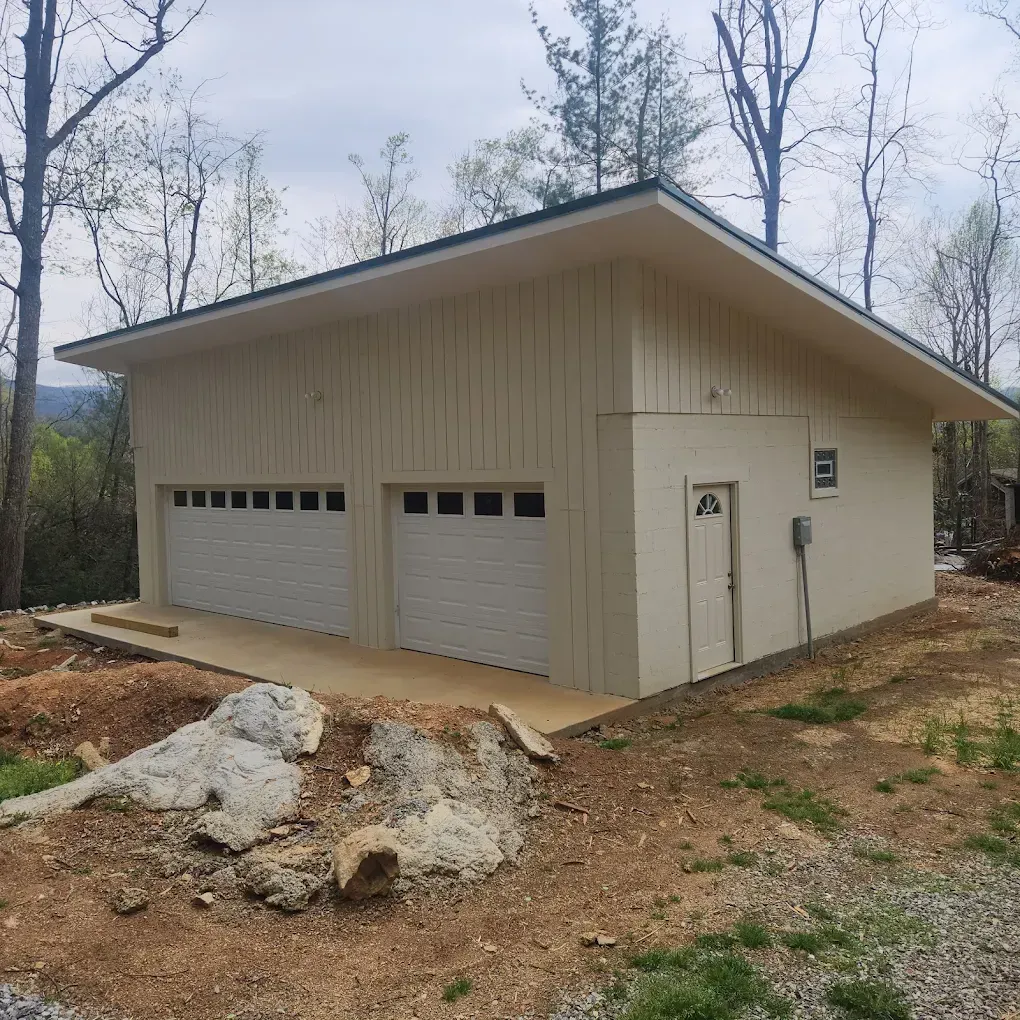
Surfaces Protected From What Weather Actually Does
Painting Services in Asheville for homes requiring interior refreshing or exterior coating that withstands mountain climate exposure
Paint fails when applied over improperly prepared surfaces, when moisture escapes through siding and blisters exterior coatings, or when low-quality products break down under UV exposure and temperature swings common to Western North Carolina. Building Carolinas Construction & Remodeling provides interior and exterior residential painting services in Asheville, Hendersonville, Flat Rock, and surrounding areas that address these problems through surface preparation, trim painting, color updates, wall finishes, and exterior coatings. The difference between paint that lasts and paint that fails within seasons comes down to substrate preparation, product selection for specific exposure conditions, and application methods that achieve proper mil thickness and coverage.
Painting services begin with surface evaluation to identify peeling areas, mildew growth, or substrate damage that must be corrected before coating application. Preparation includes scraping loose paint, sanding rough areas, caulking gaps in trim joints, priming bare wood or patched drywall, and cleaning surfaces so that new paint bonds mechanically rather than sitting on top of contamination. Exterior work accounts for temperature and humidity windows appropriate for paint curing.
Request a painting estimate to evaluate your home's current surface condition and discuss color and finish options.
Why Preparation Determines Paint Longevity
Quality painting addresses why previous coatings failed before applying new paint so that peeling caused by moisture intrusion doesn't recur immediately, so that mildew returns are prevented by treating affected areas with appropriate solutions, and so that wood rot or substrate damage gets repaired rather than hidden under fresh coatings. Exterior painting in mountain climates requires products with mildew resistance and UV inhibitors because shaded north-facing walls stay damp longer and sun-exposed south walls experience greater temperature extremes than moderate coastal regions. Trim and fascia boards receive extra attention because these areas shed water directly and show coating failure first when paint doesn't adhere properly.
After painting completes, you notice that color appears uniform without streaking because proper roller technique and adequate product coverage eliminated lap marks, that trim lines are clean because edges were cut carefully or taped and sealed to prevent bleed-through, and that exterior surfaces shed water rather than absorbing it because coatings were applied at proper thickness over primed substrates. Curb appeal improves immediately, and protection extends for years rather than seasons when preparation and product quality were prioritized over speed.
Painting services include surface preparation, caulking and minor repairs, priming, finish coat application, and cleanup of work areas. Services do not include siding replacement, carpentry repairs beyond minor touch-ups, or pressure washing as a standalone service, though surface cleaning is performed as needed during preparation to ensure coating adhesion.
Questions Before Starting Your Project
Painting projects involve color selection, product quality decisions, and timing considerations that affect both appearance and durability of finished surfaces throughout residential properties.
What preparation is required before interior painting begins?
Walls are patched where holes or cracks appear, surfaces are sanded smooth, trim caulking is applied to gaps between woodwork and drywall, and primer is applied over repairs or stained areas so that finish coats cover uniformly without showing underlying discoloration.
How do exterior paint products differ for mountain weather conditions?
Paints formulated for high-humidity regions include mildew inhibitors that prevent fungal growth on shaded walls, products with higher resin content provide better adhesion and flexibility during freeze-thaw cycles, and coatings with UV stabilizers resist fading and chalking on elevations that receive direct sun exposure throughout summer months in Asheville.
Why does paint quality affect long-term costs?
Premium paints contain higher pigment concentrations and better binders, providing superior coverage that often requires fewer coats, better resistance to fading and mildew, and extended durability that delays repainting by several years compared to economy products that save money initially but require more frequent reapplication.
What determines exterior painting timing?
Temperature ranges must stay within product specifications during application and curing periods, typically requiring daytime temperatures above 50 degrees and humidity below 85 percent, which makes spring and fall optimal windows in Western North Carolina while avoiding summer afternoon thunderstorms and winter freeze risk.
How are color changes managed during interior painting?
Dramatic color shifts from dark to light tones require tinted primer to block underlying color and reduce the number of finish coats needed for uniform appearance, while lighter color changes often achieve full coverage in two finish coats over properly prepared surfaces.
Building Carolinas Construction & Remodeling completes painting projects that emphasize surface preparation and durable product application throughout homes in Asheville and neighboring communities. Reach out to schedule a consultation and receive detailed estimates for your interior or exterior painting needs.