
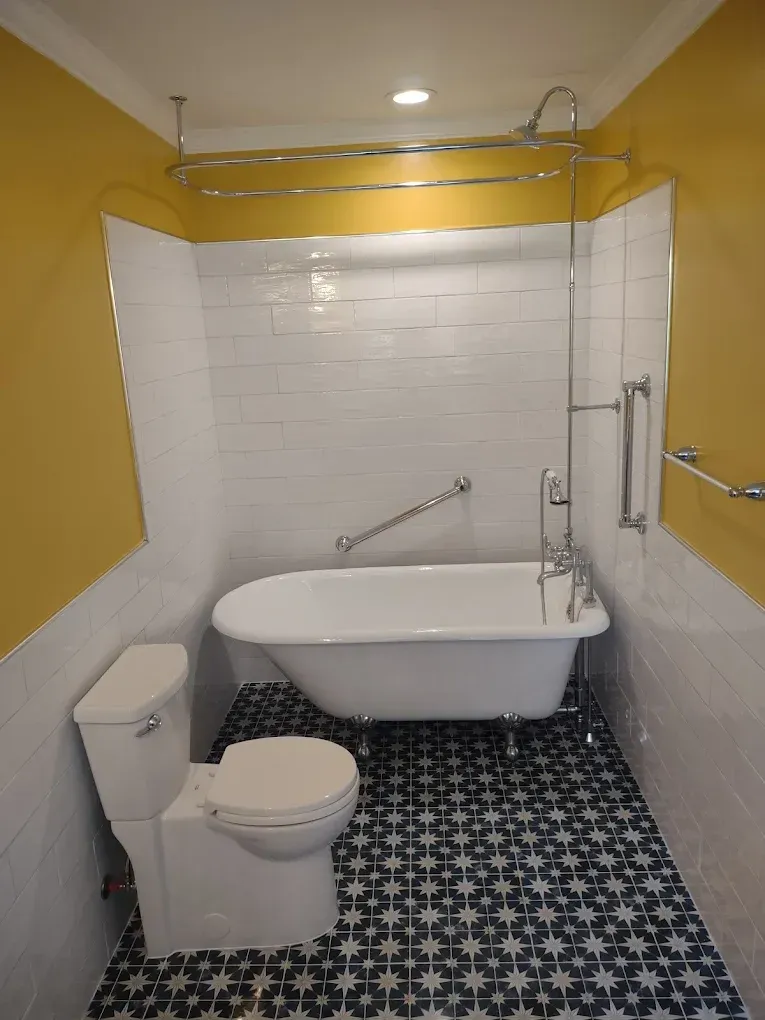
Floors and Walls Built to Handle Daily Wear
Tile Installation in Asheville for bathrooms, kitchens, and high-moisture areas needing durable, long-lasting surfaces
Building Carolinas Construction & Remodeling handles tile installation across homes in Asheville and throughout Western North Carolina where moisture, foot traffic, and daily use demand surfaces that hold up without constant maintenance. Ceramic, porcelain, and natural stone tile are selected based on where the material goes and what that space endures. Showers need grout lines sealed properly to prevent water from migrating behind the tile, while kitchen floors benefit from porcelain's scratch resistance when pots, chairs, and foot traffic wear on the surface daily.
The installation process involves substrate preparation, layout planning to minimize visible cuts in high-traffic sightlines, thin-set mortar application, and grouting with products rated for the moisture level of each room. Bathroom installations require waterproofing membranes beneath the tile in shower enclosures, while backsplash work focuses on aligning grout lines with existing cabinetry and countertop edges. Natural stone requires sealing after installation to prevent staining, particularly in kitchens where oils and acidic liquids contact the surface.
Schedule a property consultation to review substrate conditions and discuss material options suited to your space.
What Proper Tile Installation Requires
Tile work begins with evaluating the subfloor or wall surface for level variations, soft spots, or moisture issues that compromise adhesion over time. Concrete substrates need crack isolation membranes if movement is present, while wood subfloors require cement backer board installation to prevent flexing that cracks grout joints. Layout decisions determine how cuts fall along room edges and whether patterns like herringbone or offset brick require additional material to account for waste.
Once tile is set and grout cures, you'll notice water beads on sealed surfaces rather than soaking in, grout lines that stay consistent in color without gaps, and edges that align cleanly with fixtures and cabinetry. Floors feel solid underfoot without hollow spots that indicate voids in the mortar bed. In showers, corners and transitions show uniform caulk joints that flex with building movement instead of cracking like grout would.
Tile installation includes surface preparation, material setting, grouting, and sealing where required, but does not include plumbing fixture relocation or structural subfloor repairs. Tile removal and disposal are handled separately if existing flooring needs to come out first. Material selection affects both installation complexity and long-term maintenance, with natural stone requiring periodic resealing that porcelain does not.
Questions Before Starting Your Tile Project
Homeowners in Asheville, Brevard, Weaverville, and neighboring communities often ask about tile selection, installation timelines, and how different materials perform in mountain climate conditions with seasonal humidity swings.
What tile material works best for shower installations?
Porcelain and ceramic tile both perform well in wet areas when installed over proper waterproofing membranes, but porcelain offers slightly lower water absorption rates for floor applications where standing water may occur.
How long does tile installation take for a standard bathroom?
Most bathroom floor or shower installations require two to four days depending on layout complexity, drying times between steps, and whether waterproofing or substrate work is needed before tile goes down.
Why do grout lines crack in some tile floors?
Cracking typically results from subfloor movement, missing expansion joints in large tile fields, or grout applied before thin-set fully cures beneath the tile.
What maintenance does natural stone tile require?
Stone tile needs sealing after installation and resealing every one to three years depending on the stone type and exposure to moisture or staining agents like oils and acids.
When should tile be sealed after installation?
Grout should cure for 48 to 72 hours before sealer is applied, and natural stone may require sealing before grouting to prevent grout staining the stone surface.
Building Carolinas Construction & Remodeling provides tile installation throughout Western North Carolina for homeowners ready to address worn flooring or outdated bathroom surfaces. Request a consultation to review material options and discuss layout details for your project.